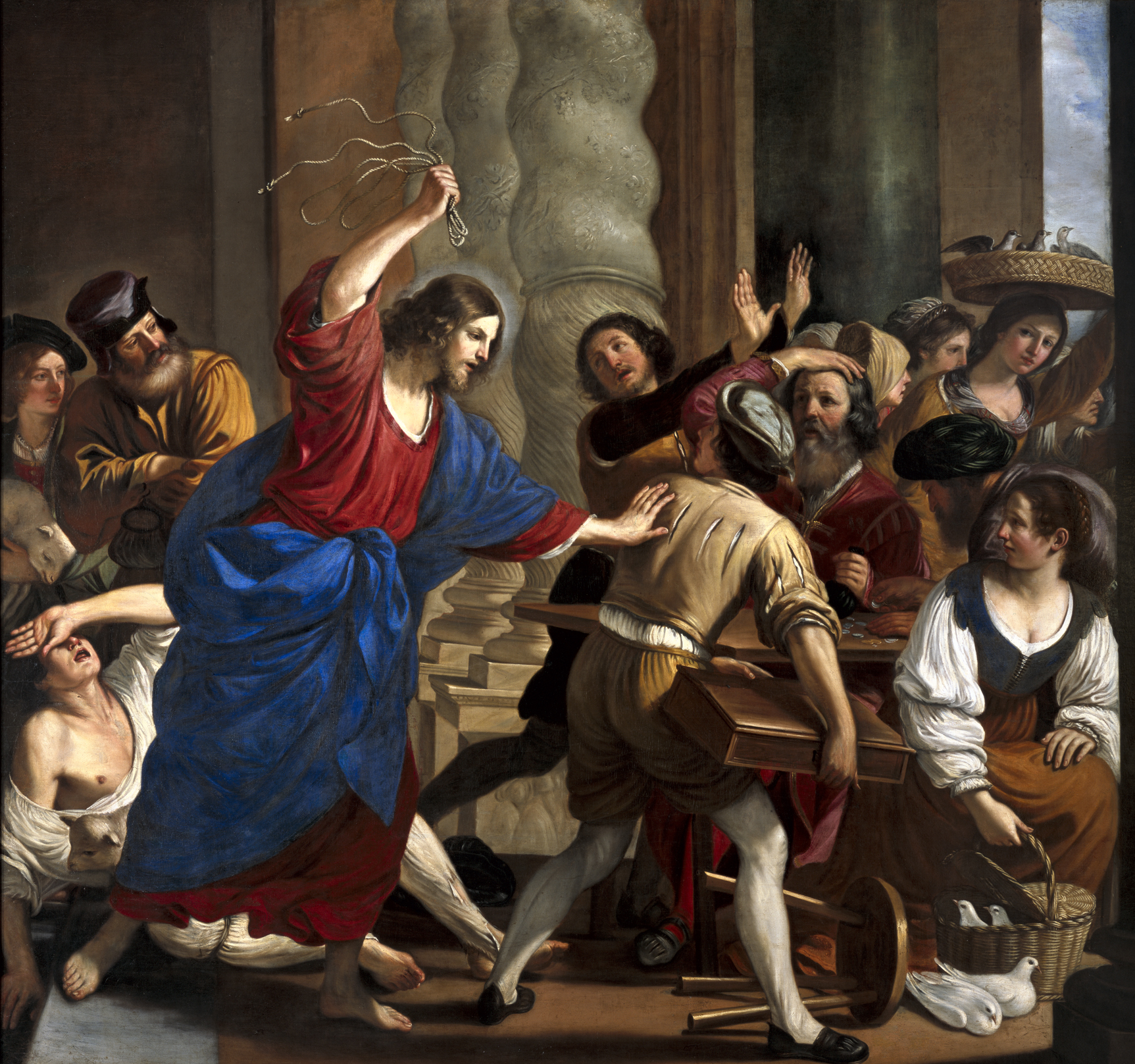



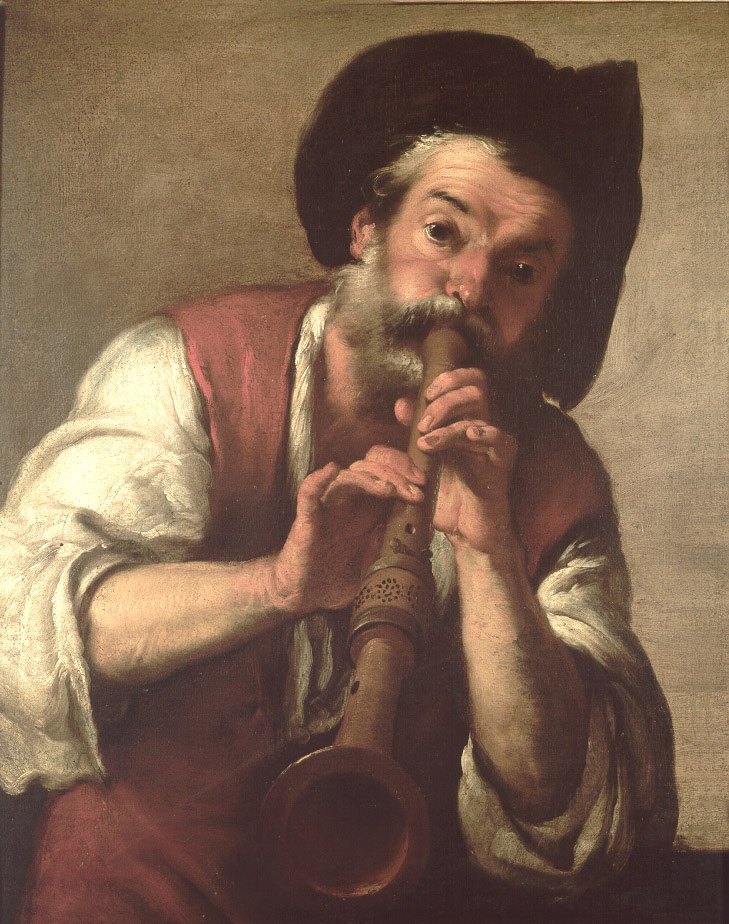
Sibilla

Click here to view image

Author/ School/ Dating:

Guido Reni e bottega

Back to Focus:
Sibilla (3)

Click here to view image

Titolo dell'opera:

Sibyl

Acquisizione:

Maria Brignole-Sale De Ferrari 1889 - legato

Autore:

Reni, Guido

Object Type:

painting

Epoca:

Inventario:

PB 282

Misure:

Unità di misura: cm; Altezza: 83; Larghezza: 67

Tecnica:

olio su tela

Back to Focus:
Descrizione:

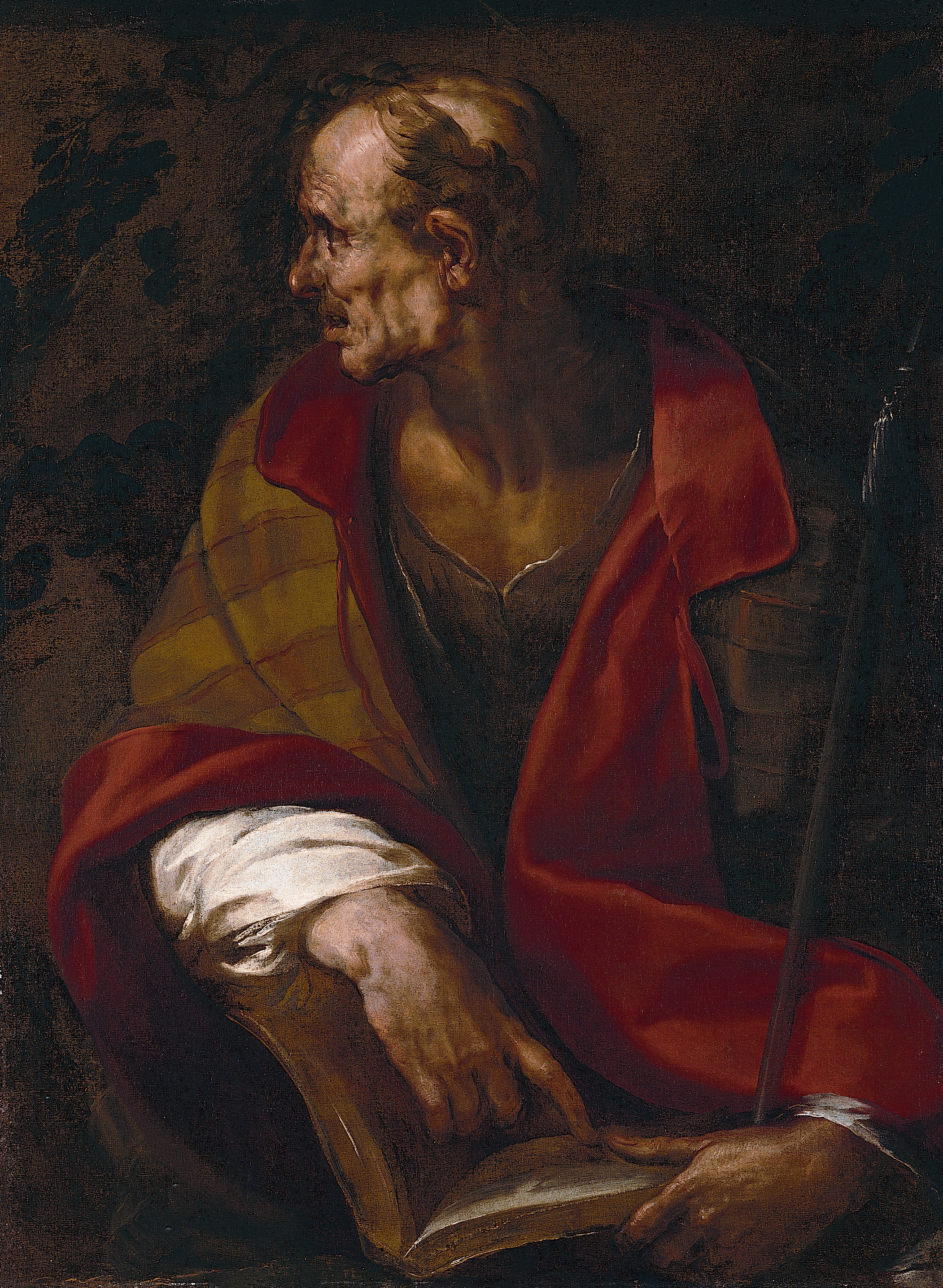
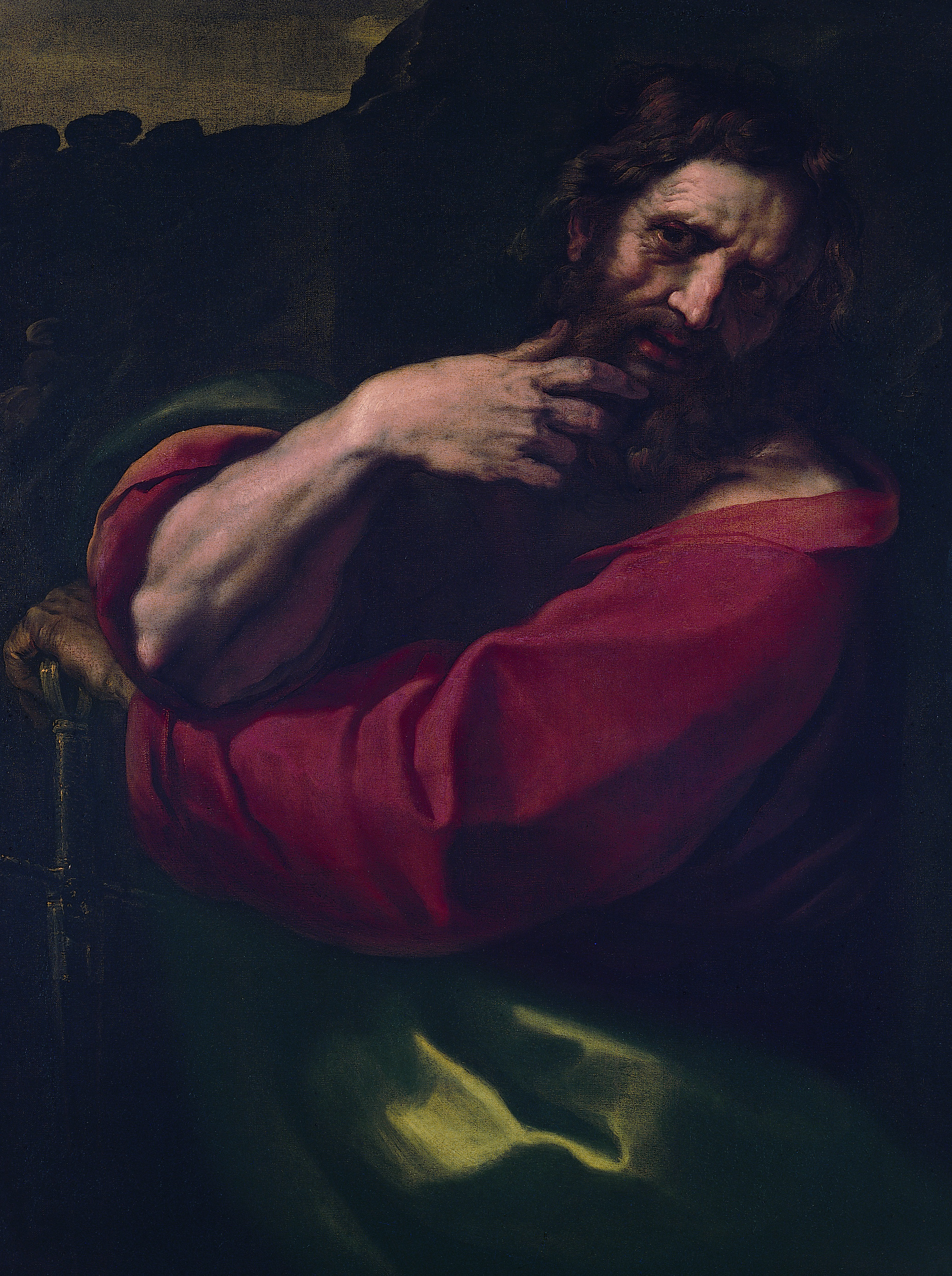
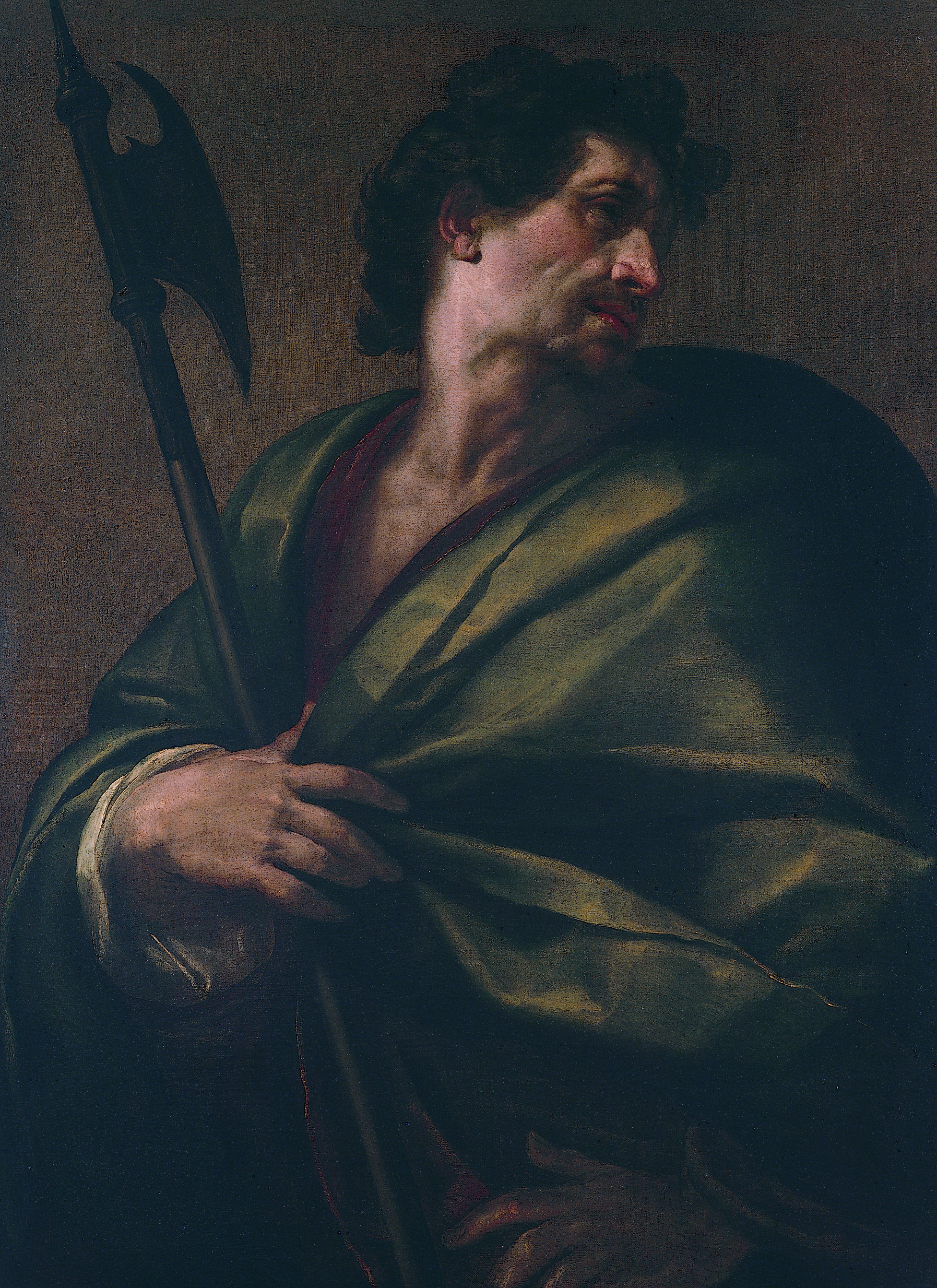
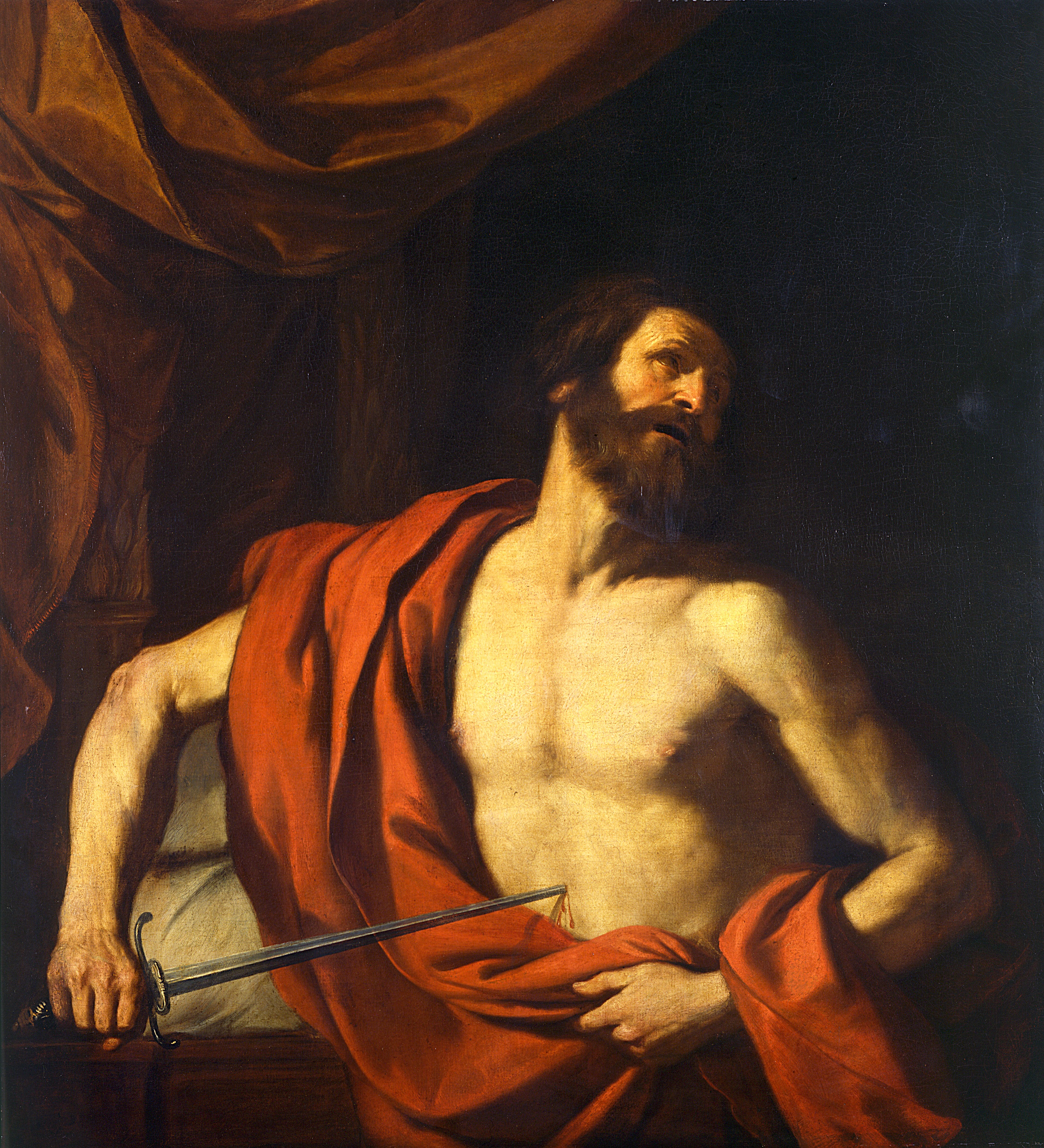
The painting is part of a series of four ‘Sibyls’ purchased in Bologna on behalf of Anton Giulio Brignole-Sale, along with six other paintings, including ‘Christ the Saviour’ and its companion piece, ‘Praying Madonna’. However, Anton Giulio was rather disappointed with the final outcome of the ‘Sibyls’, so much so that his relationship with the art dealer who had arranged the purchase for him soured from that moment on. The four paintings are part of the artist's late work, when, due to his physical and mental condition, he would sketch the canvases and then often leave them to be completed by his collaborators, such as Ercole De Maria and Giovanni Andrea Sirani, whose hand has been recognised in particular in the painting of the Sibyl with the Turban (PB 277). BOCCARDO 2012, pp. 46-48 The painting depicts a portrait of a Sibyl in the foreground, with her head covered by a turban.

Sacra famiglia con i Santi Gerolamo, Caterina d' Alessandria e angeli

Click here to view image

Author/ School/ Dating:

Paris Bordon (Treviso, 1500 - Venezia, 1571)

Object Type:

Drawing

Technique and Dimensions:

Oil on canvas

Back to Focus:
Madonna col Bambino e Santi Giovanni Battista e Maria Maddalena

Click here to view image

Titolo dell'opera:

Madonna and Child between Saints John the Baptist and Mary Magdalene

Acquisizione:

Galliera 1889 Genova - legato

Autore:

Negretti, Jacopo detto Palma il Giovane

Object Type:

painting

Epoca:

Inventario:

PB 283

Misure:

Unità di misura: cm; Altezza: 71; Larghezza: 108

Tecnica:

olio su tavola

Back to Focus:
Descrizione:

This painting depicts a Holy Conversation: at the centre of the composition sits the Virgin Mary, facing forward, her head slightly tilted and holding the Child in her arms, seated on her left knee, whom she lovingly holds with both hands. Jesus turns his gaze sideways upwards, as if looking beyond the limits of the composition. On the right, standing, is a half-length portrait of Mary Magdalene, while on the left is Saint John the Baptist.
The painting is certainly one of the masterpieces of Palma il Vecchio, an exponent of early 16th-century Venetian art, trained at the school of Giovanni Bellini and later influenced by Giorgione and Titian. The painting, painted on wood, can be dated to around 1520-1522. The half-length figures are beautifully set against the bright background landscape, pervaded by a clear and diffused light, typical of Venetian painting between the 15th and 16th centuries.
The symmetry of the composition is a clear reference to Bellini, but the sumptuousness of the drapery and the solemnity of the figures' attitudes reveal the painter's independent maturity, in a fully Renaissance sense.

Giuditta e Oloferne, (circa 1580)

Click here to view image

Titolo dell'opera:

Judith and Holofernes

Acquisizione:

Brignole-Sale De Ferrari Maria 1874 Genova - donazione

Autore:

Caliari, Paolo detto il Veronese

Object Type:

painting

Epoca:

Inventario:

PR 95

Misure:

Unità di misura: cm; Altezza: 195; Larghezza: 176

Tecnica:

olio su tela

Ultimi prestiti:

VERONESE E VERONA - VERONA - 1988<br>Venecia. Triunfo de la bellezza y destrucciòn de la pintura - Madrid - 2017

Back to Focus:

The painting depicts the salient episode of the stora of the Jewish heroine Judith - to whom is dedicated an entire book of the Christian Bible entitled to her - set during the reign of the Babylonian king Nebuchadnezzar, who entrusts the western campaign against the people of Israel to the Assyrian general Holofernes.  During the war, the city of Bethulia was under siege for thirty-six days and its population was reduced to starvation and thirst. Here the plan of the rich and beautiful widow Giuditta enters the scene, who, with the help of a ruse, goes into the enemy camp, pretends to give in to the seductions of Holofernes and, during a banquet, makes him drunk and kills him, hitting him twice in the neck with his sword.The canvas by Veronese, dating to about 1580, depicts with extreme realism the moment when Judith delivers the macabre remains to her handmaid Abra, ready to receive them in the saddlebag of food. The general’s head, subsequently exposed by the walls of the besieged city, induces the Assyrians to retreat.
The work, one of the most famous in the collection of Palazzo Rosso, originally belonged to Count Cuccina of Venice, an important client of Veronese; it then passed to the Franco-Flemish painter and merchant Nicolas Régnier who, among the many collectors interested in buying it, sold it to Giuseppe Maria Durazzo in 1670, from which it was inherited by the Brignole - Sale.The artist uses the theme of Judith, however addressed at least on another occasion in the eighties of the sixteenth century, to create a painting based on wise chromatic and uministic contrasts given by the contrast of the dark incarnations of the decapitated body - made with a particular anatomical realism - and that of the servant in respect, respective, the white sheets and the ivory complexion of Judith, illuminated with great effect by a light that peeps from the right.

Ritratto di Pietro Andrea Mattioli

Click here to view image

Titolo dell'opera:

Portrait of Pietro Andrea Mattioli

Acquisizione:

Maria Brignole-Sale De Ferrari 1874 Genova - donazione

Autore:

Bonvicino, Alessandro detto il Moretto

Object Type:

painting

Epoca:

Inventario:

PR 46

Misure:

Unità di misura: cm; Altezza: 84; Larghezza: 75

Tecnica:

olio su tela

Ultimi prestiti:

Libri nell'arte. Dal medioevo all'età contemporanea - Genova, Palazzo della Meridiana - 2024

Back to Focus:

The Portrait of Alessandro Bonvicino from Brescia, known as Moretto, belongs to the Venetian painting tradition of the 16th century. The artist, originally from the hinterland of the Serenissima, was formed in Venice or Padua, but was active mainly in the city of his birth.
The canvas, dated 1533 and initialled on the left side with the artist’s initials, belongs to the period of the painter’s full expressive maturity and the Greek motto that follows the date, has been translated into "relief of the mind", for the appreciated interest shown by the effigy for the study of nature, to which allude the flowers represented in the foreground at the bottom left.The subject of the portrait, however, has not yet been identified with certainty, considering some the Brescian philosopher Vincenzo Maggi, professor at the University of Padua from 1528 to 1543, and then in Ferrara, and others the Sienese Pietro Andrea Mattioli (1500-1577), Caesarean physician to the emperors Ferdinand and Maximilian II of Austria and author of a famous treatise on botany.

Crocifissione

Click here to view image

Titolo dell'opera:

Crucifixion

Acquisizione:

Chiesa dei SS. Giacomo e Filippo 1892 Genova - Deposito governativo

Autore:

Veronese, Caliari Paolo

Object Type:

painting

Epoca:

Inventario:

PB 281

Misure:

Unità di misura: cm; Altezza: 326; Larghezza: 197

Tecnica:

olio su tela

Back to Focus:

The large canvas depicting the Crucifixion by Paolo Veronese, one of the greatest artists active in Venice in the second half of the '500' has a very dark and tragic intonation due to the brightness corrusca and the point of view heavily lowered. The altarpiece, signed in the lower area, the only one of the artist to have always been visible in public in Genoa, because it is located in the town church of Saints James and Philip, now destroyed.
The work was fundamental for the evolution of the school of Genoese painting during the seventeenth century: in fact, many local artists looked at it, to learn the novelties of the way of painting "Venetian", all soaked in light and color.

Susanna e i vecchioni

Click here to view image

Titolo dell'opera:

Susanna and the Old Men

Acquisizione:

privato - comodato

Autore:

Caliari, Paolo detto il Veronese

Object Type:

painting

Epoca:

Inventario:

SN. (comodato)

Misure:

Unità di misura: cm; Altezza: 111; Larghezza: 145

Tecnica:

olio su tela

Ultimi prestiti:

Venice of the Renaissance. Titian, Tintoretto, Veronese - Mosca - 2017<br>Verdammte Lust! Kirche. Körper. Kunst. - Frisinga (Germania) - 2023

Back to Focus:
Descrizione:

The painting depicts Susanna being intimidated by two elderly men.

Matrimonio mistico di S. Caterina

Click here to view image

Titolo dell'opera:

The Mystical Marriage of Saint Catherine

Acquisizione:

collezione privata - comodato

Autore:

Bordon, Paris

Object Type:

painting

Epoca:

Inventario:

s. n.

Misure:

Unità di misura: cm; Altezza: 188; Larghezza: 229

Tecnica:

olio su tela

Ultimi prestiti:

Paris Bordon 1500-1571. Pittore divino - Treviso - 2022-2023<br>Bellini, Giorgione, Titian and the Renaissance of Venetian Painting - Washington-Vienna - 2006

Back to Focus:

Next to the Crucifixion of Veronese, are currently at the Museums of Strada Nuova - as a result of the loan stipulated with the owners - another late work of the artist, Susanna and the elders, already owned by the Marquis of Carpio, an extraordinary Spanish collector of the seventeenth century, and the Mystical Marriage of Saint Catherine of Alexandria painted by Paris Bordon during the third decade of the sixteenth century and also characterized by a high-sounding provenance, since it is identified with the painting that belonged to Cardinal Leopoldo de' Medici, the greatest collector of the Florentine grand-ducal family.Both these paintings are documented in Genoa as early as the eighteenth century and therefore well represent in Palazzo Bianco what was found in the local collections of the past.


Cristo e la samaritana

Click here to view image

Titolo dell'opera:

Christ and the Samaritan Woman

Acquisizione:

G.B. Gnecco 1928 - donazione

Autore:

Negretti, Jacopo detto Palma il Giovane

Object Type:

abaco

Epoca:

Inventario:

PB 2072

Misure:

Unità di misura: cm; Altezza: 120; Larghezza: 101

Tecnica:

olio su tela

Back to Focus:

In this painting we find the link with the late works of Veronese, confirming the references that the Venetian artist always maintained with the Venetian tradition of the previous generation. The episode of Christ and the Samaritan woman is taken from the Gospel of John and can be interpreted, following the principles of sacred painting of the period of the Counter-Reformation, in a Eucharistic-baptismal key. The client of the painting is not known, but the work is dated 1599 and was executed in Venice.

Subscribe to