Click here to view image
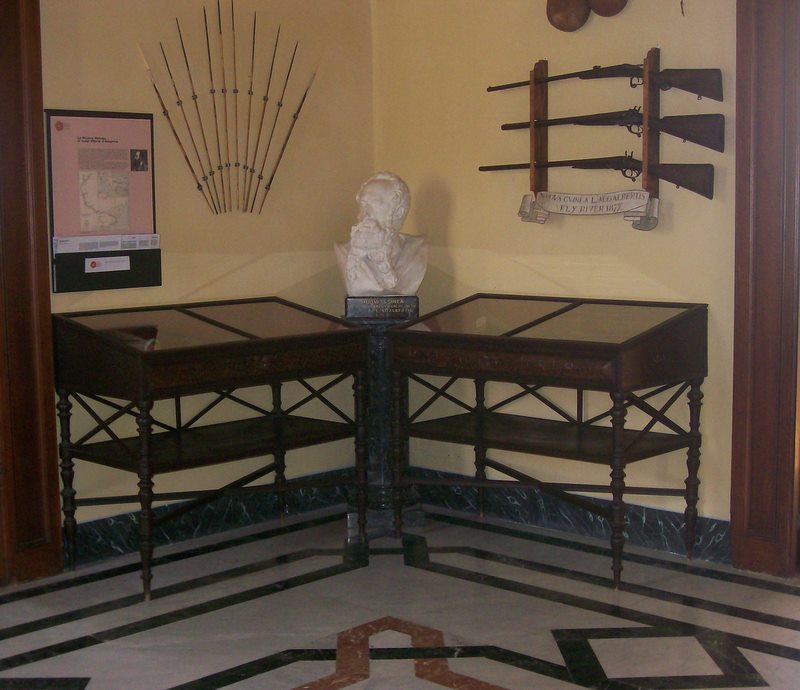
Luigi Maria d'Albertis bust and panoplia
Genoa’s state archives, located in the prestigious setting of the monumental complex of Sant’Ignazio, just a few steps from the city centre in the Carignano district, houses a collection of thousands of historic documents. These are the papers produced by the magistracies involved in the government of the city over the course of its history starting from the 11th century, it includes those of: the Municipality, the Aristocratic Republic, the Napoleonic Empire, the kingdom of Sardinia, the kingdom of Italy, the Italian Social Republic and the Italian Republic.
The collection is further enriched by the Archive of the “Casa delle Compere”, the “Banchi di San Giorgio” and the archives of some private families and deeds drawn up by Genoese notaries from 1154 onwards.
Physically they constitute a formidible collection (the book shelves totalling 40km in length) as well as a documentary heritage of extraordinary importance.

Thanks to the archival collections preserved in the institute, it is possible to retrace over a millennium of the history of Genoa and Liguria, with documents from 952 to the present day.
The archive contains evidence of the crucial role assumed by the ancient Marine Republic of Genoa in medieval times. It passes through the oldest existing notarial register, that of the Young Scribe's Cartulary, which dates back to the decade 1154 - 1164; to “Libri Iurium”, a thirteenth-century manuscript that reports the text of the inscription in gold letters that the Genoese had placed in 1105 on the altar lintel of the Holy Sepulcher of Jerusalem, listing the privileges received in the Holy Land after the First Crusade; to the letter of the Byzantine Emperor Alexius III Comnenus to the Genoese, dated 1199, which was sent to restart the diplomatic relations between the “Superba” and the Byzantine Empire after a stormy period.
Among the most curious documents we find the letter from the Protectors of San Giorgio to Christopher Columbus to congratulate the acclaimed fellow citizen for the discovery of America, and the Nicolò Paganini’s will, with which in 1837 the violinist, who was Genoese by birth, bequeathed the famous “Cannone”, his favorite violin, to the City of Genoa.
Free admission by reservation.
Click here to view image
Luigi Maria d'Albertis bust and panoplia
Click here to view image
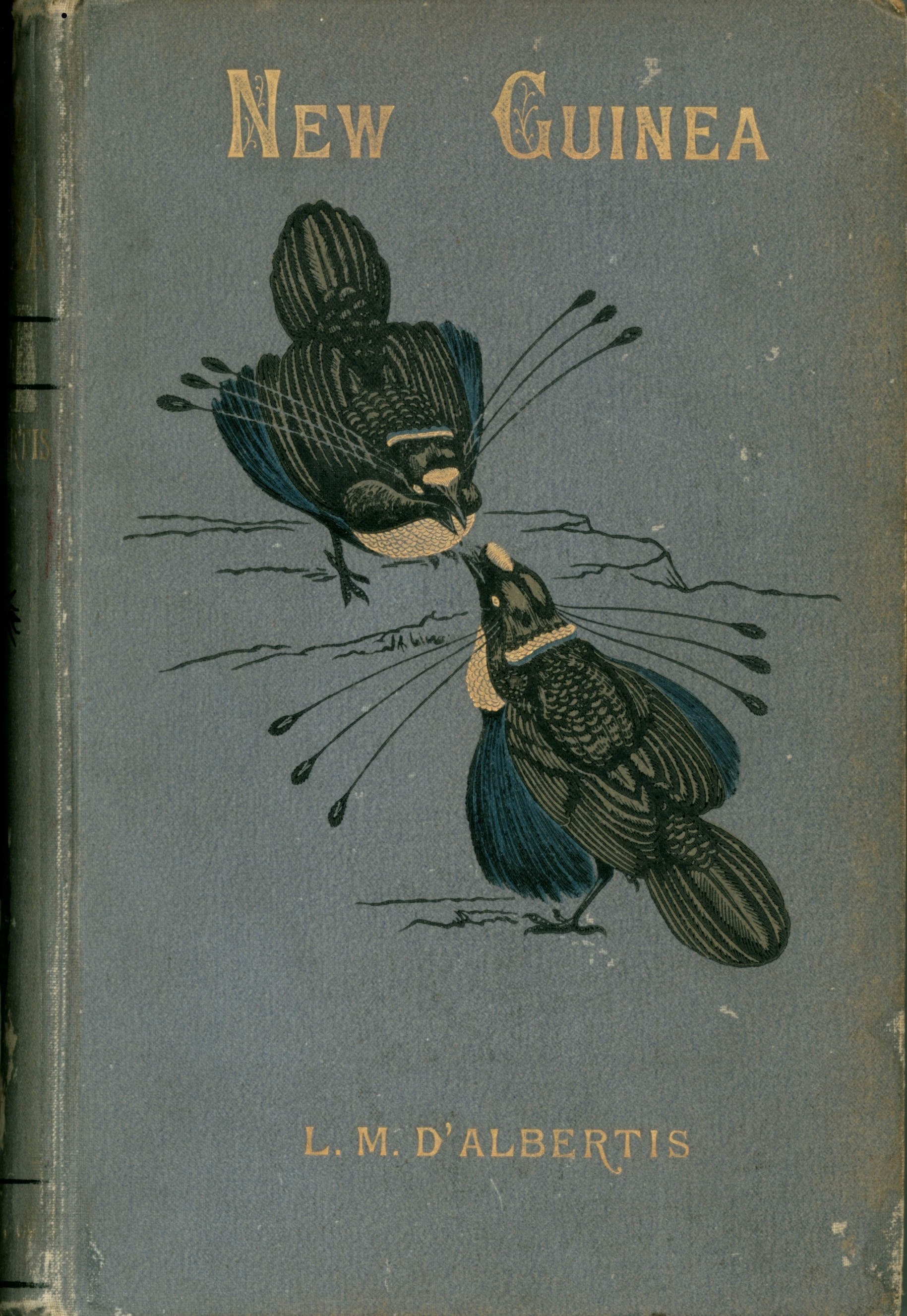
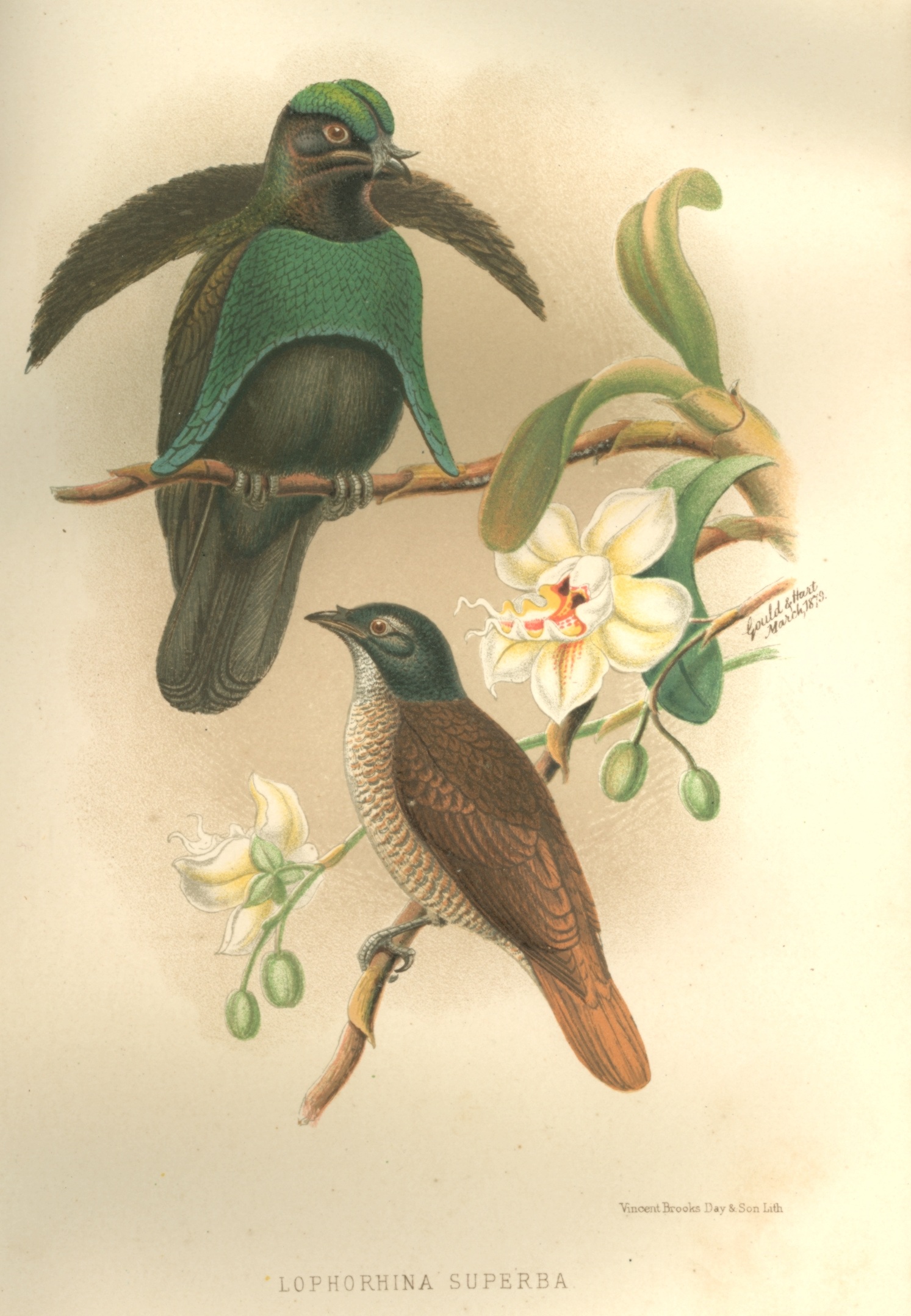
Book - To New Guinea
Click here to view image
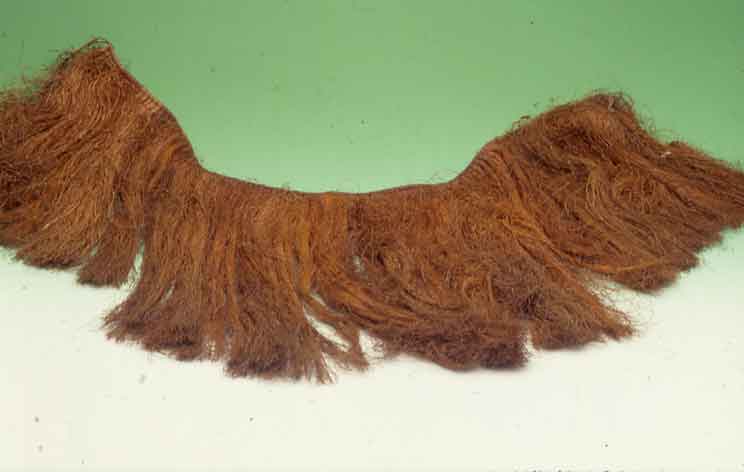
Vegetable belt
Vegetable fibers dyed and knotted to a belt of vegetable fiber
Click here to view image
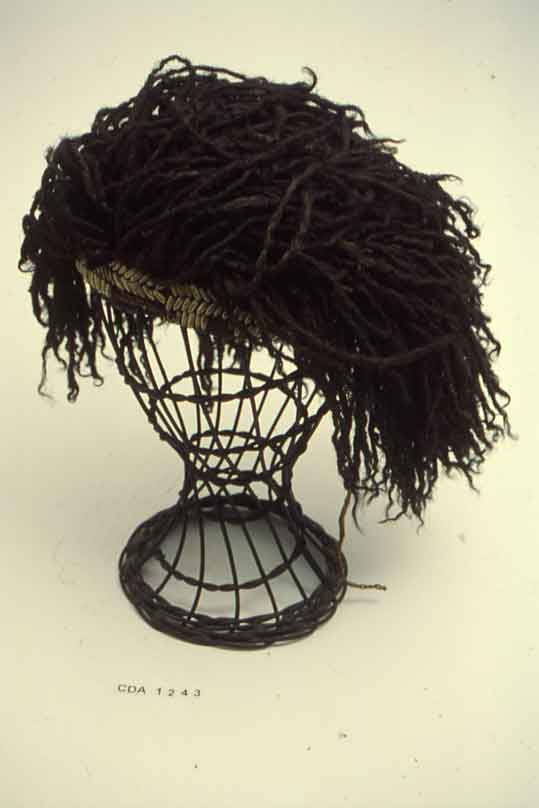
Wig for men
Click here to view image
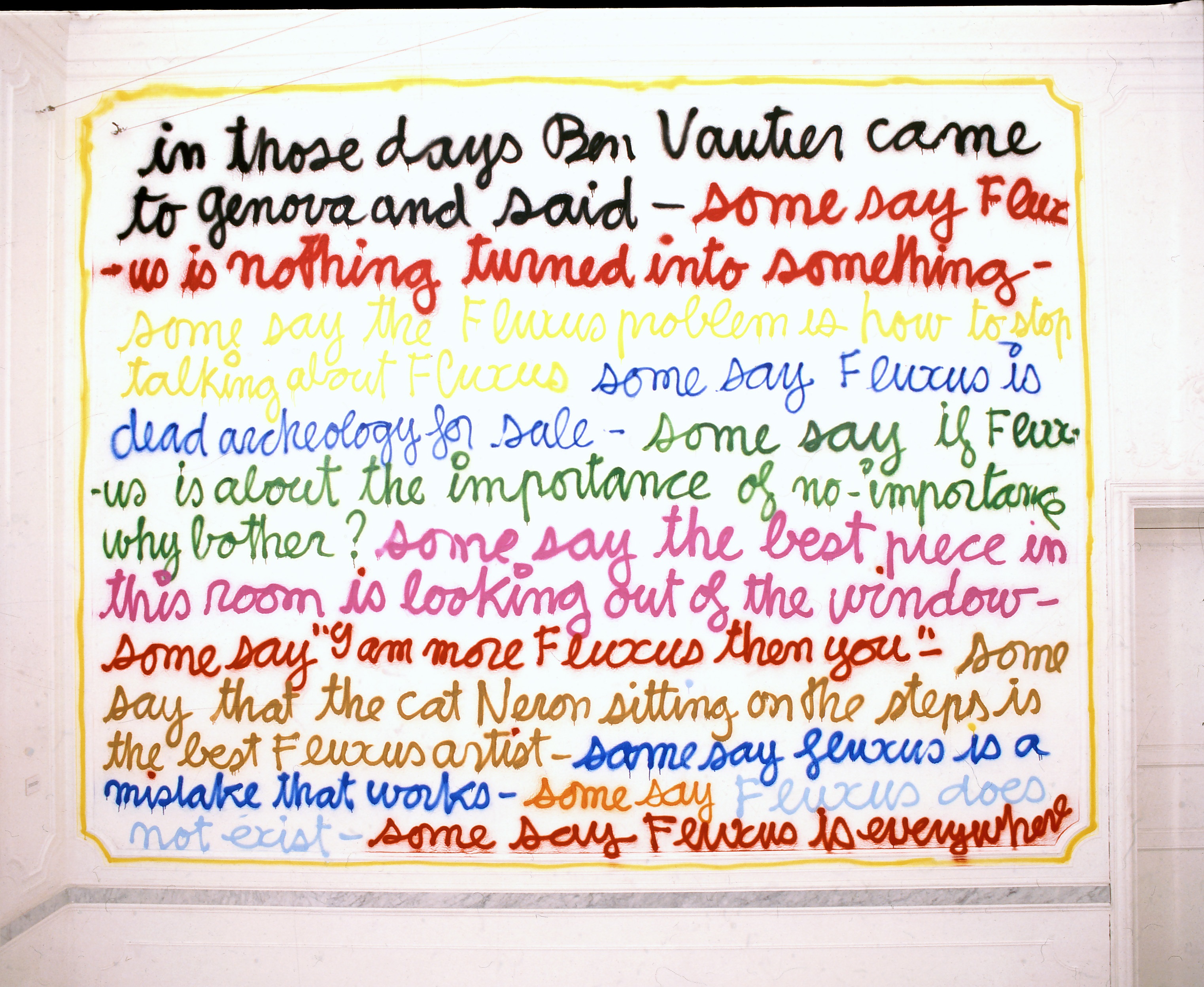
Fluxus cannot save the world
Vautier, Ben
4084
Misure mancanti: MNR
Spray paint on wall
The Fluxus Constellation - Museo di Villa Croce, Genova - 2002
Click here to view image
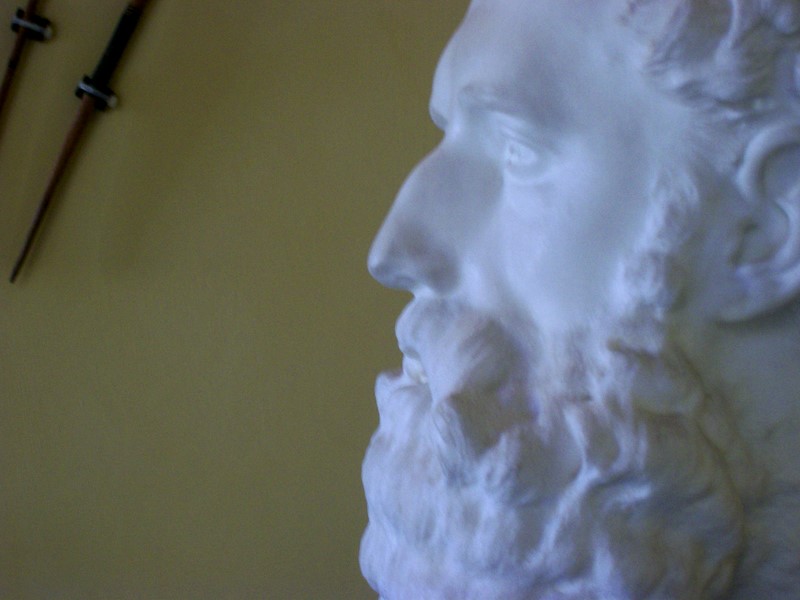
Bust - Luigi Maria D'Albertis
Click here to view image
Book - To New Guinea
Click here to view image
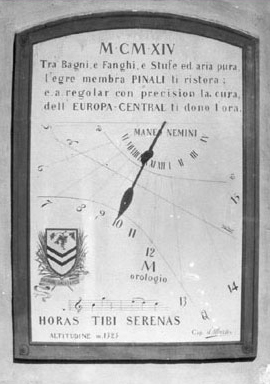
Sundial in Vinadio (CN)
Click here to view image
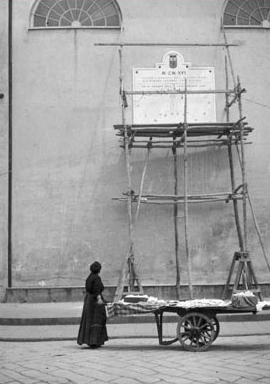
Sundial in Voltri (GE)

Headquarters:
Municipality of Genoa - Palazzo Tursi
Via Garibaldi 9 - 16124 Genoa
C.F / VAT 00856920102
Follow us on Facebook