Click here to view image
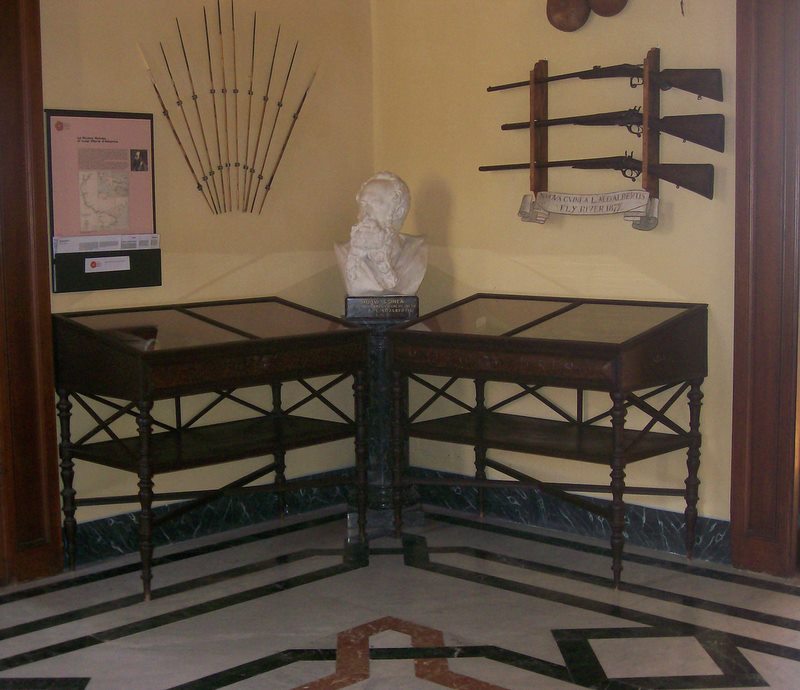
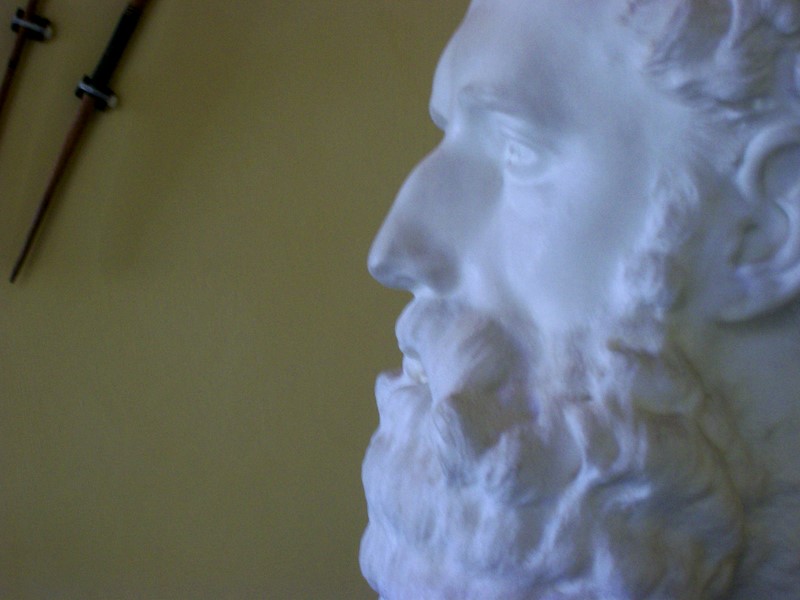
Luigi Maria d'Albertis bust and panoplia
In the heart of Genoa’s historic centre, in the steet made famous by Fabrizio De André in the song of the same name, where the historic shop “Musica Gianni Tassio" was located, is Viadelcampo29rosso, a store-museum dedicated to the “Genoese school” of Italian singer songwriting : Fabrizio De André, Luigi Tenco, Gino Paoli, Bruno Lauzi, Umberto Bindi, Ivano Fossati.
The little museum includes original LPs, photos, exhibitions and memorabilia, among which the legendary Esteve ’97, Fabrizio De André’s guitar.
Dedicated to songwriting Viadelcampo29rosso has the mission of preserving the cultural and musical heritage of the “Genoese school” and nurturing the close relationship between the city and its music: it hosts events, themed itineraries around the old city, music showcases, workshops for schools and is also available as a film set, in fact through this role it has become well-known and much appreciated both in Italy and abroad.
CONTACTS
Reception and Ticket Office
tel. 010 2474064 - 320 8809621
info@viadelcampo29rosso.com
OPENING HOURS
Monday, Tuesday, Thursday, Friday, Saturday and Sunday: 10:00 AM to 1:00 PM and 3:00 PM to 7:00 PM
Closed on Wednesdays.
WEATHER WARNING
In case of weather warning "RED" the museum will be closed to the public and all events will be cancelled.
Discover the Genova Museum Cards! (Rates effective from January 1, 2026)
Purchase them on our online webshop.
Note: The resident rate applies to those living in the Municipality of Genoa and the Metropolitan City.
You can buy them at this link on our online webshop.
The Museum is accessible.
Accessibility for wheelchair users
The visitor in a wheelchair, by activating the external call system, warns the staff working at the Museum, who arranges to position a removable ramp allowing to enter the building easily.
Toilets
It is not possible to use the toilets in the Museum.
Parking
It is possible to leave the car, equipped with blue badge (Article 12 of Presidential Decree 503/96), in the parking place of the Genoa Aquarium, or free of charge in the ZTL area close to Via Gramsci.

Genoa’s state archives, located in the prestigious setting of the monumental complex of Sant’Ignazio, just a few steps from the city centre in the Carignano district, houses a collection of thousands of historic documents. These are the papers produced by the magistracies involved in the government of the city over the course of its history starting from the 11th century, it includes those of: the Municipality, the Aristocratic Republic, the Napoleonic Empire, the kingdom of Sardinia, the kingdom of Italy, the Italian Social Republic and the Italian Republic.
The collection is further enriched by the Archive of the “Casa delle Compere”, the “Banchi di San Giorgio” and the archives of some private families and deeds drawn up by Genoese notaries from 1154 onwards.
Physically they constitute a formidible collection (the book shelves totalling 40km in length) as well as a documentary heritage of extraordinary importance.
Thanks to the archival collections preserved in the institute, it is possible to retrace over a millennium of the history of Genoa and Liguria, with documents from 952 to the present day.
The archive contains evidence of the crucial role assumed by the ancient Marine Republic of Genoa in medieval times. It passes through the oldest existing notarial register, that of the Young Scribe's Cartulary, which dates back to the decade 1154 - 1164; to “Libri Iurium”, a thirteenth-century manuscript that reports the text of the inscription in gold letters that the Genoese had placed in 1105 on the altar lintel of the Holy Sepulcher of Jerusalem, listing the privileges received in the Holy Land after the First Crusade; to the letter of the Byzantine Emperor Alexius III Comnenus to the Genoese, dated 1199, which was sent to restart the diplomatic relations between the “Superba” and the Byzantine Empire after a stormy period.
Among the most curious documents we find the letter from the Protectors of San Giorgio to Christopher Columbus to congratulate the acclaimed fellow citizen for the discovery of America, and the Nicolò Paganini’s will, with which in 1837 the violinist, who was Genoese by birth, bequeathed the famous “Cannone”, his favorite violin, to the City of Genoa.
Free admission by reservation.
Click here to view image
Luigi Maria d'Albertis bust and panoplia
Click here to view image
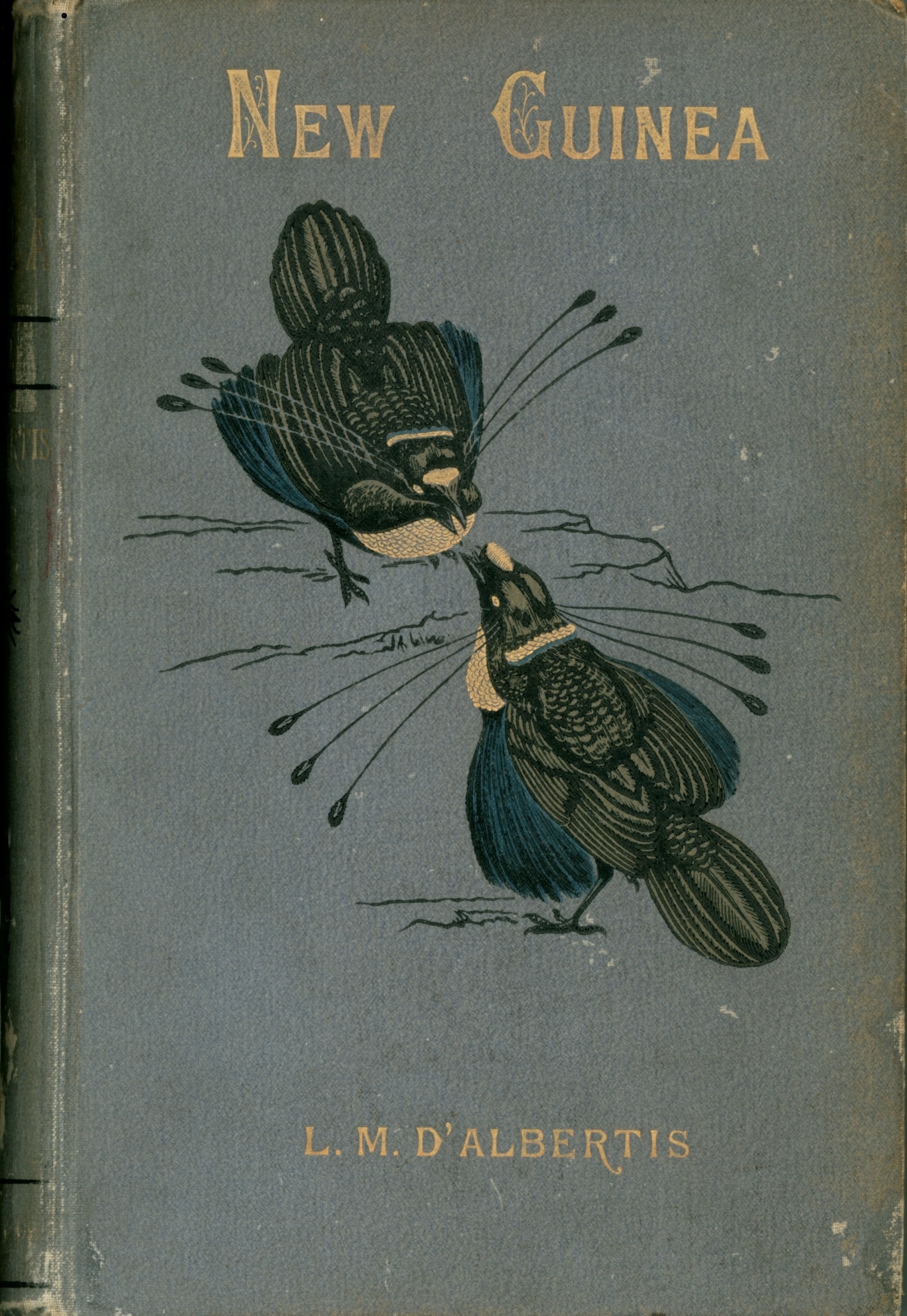
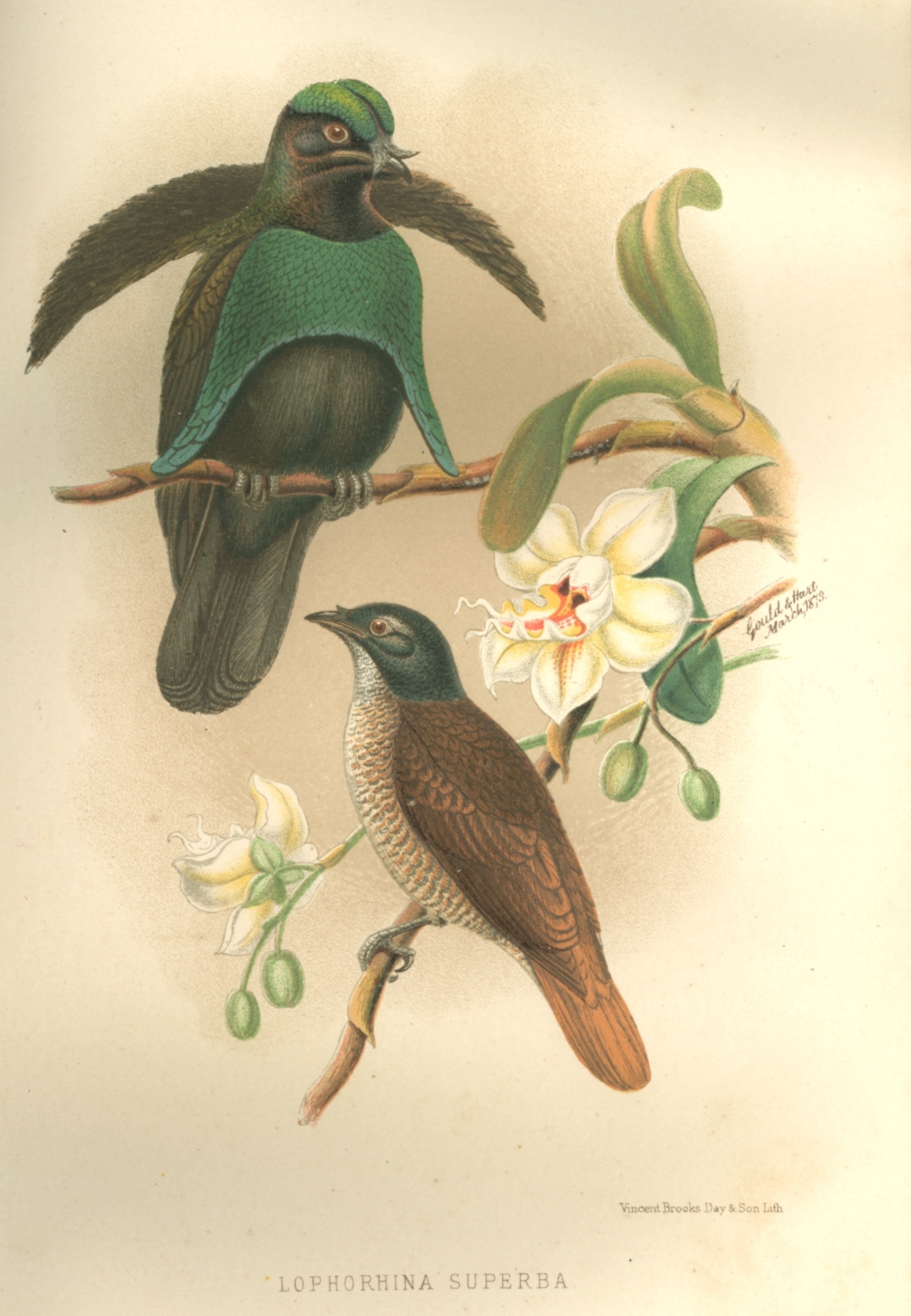
Book - To New Guinea
Click here to view image
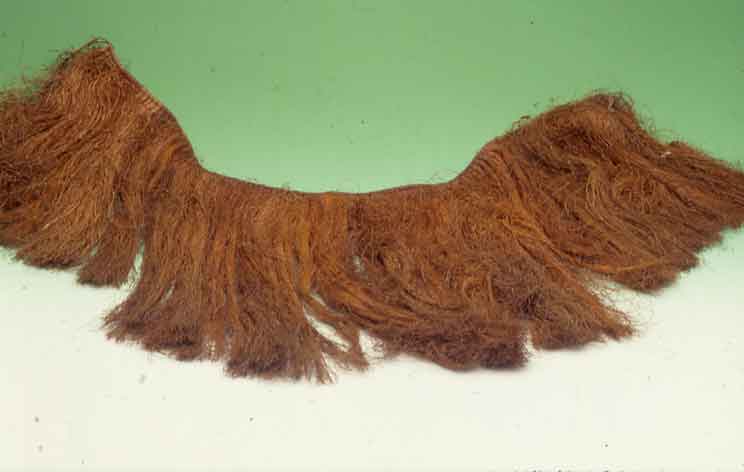
Vegetable belt
Vegetable fibers dyed and knotted to a belt of vegetable fiber
Click here to view image
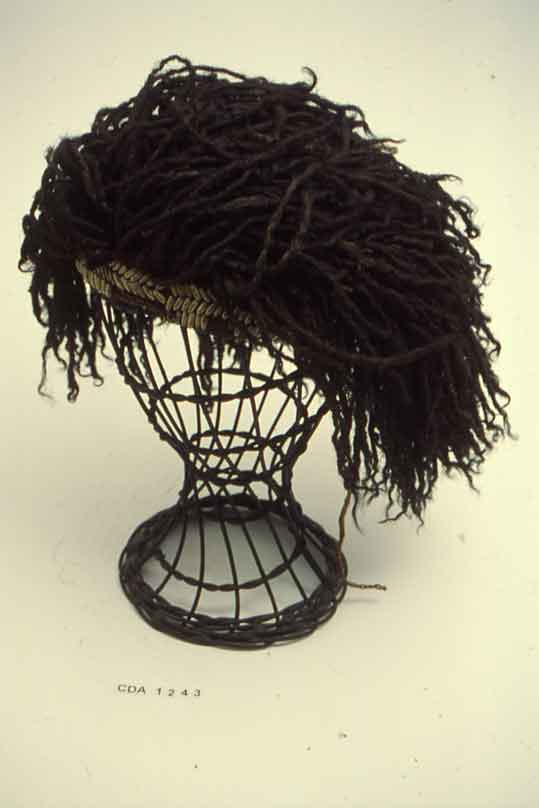
Wig for men
Click here to view image
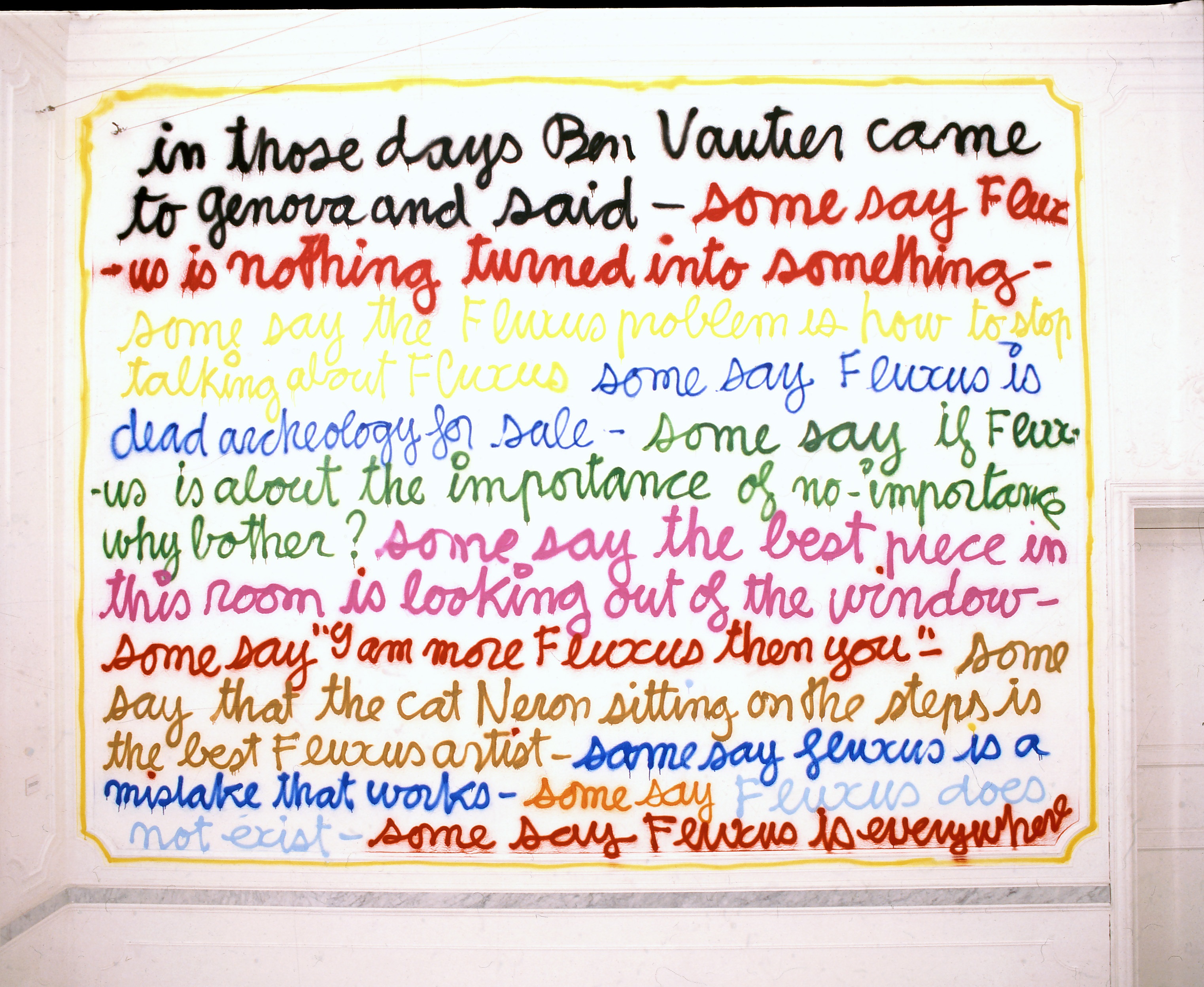
Fluxus cannot save the world
Vautier, Ben
murales
2002 - 2002 - XX
4084
Misure mancanti: MNR
Spray paint on wall
The Fluxus Constellation - Museo di Villa Croce, Genova - 2002
Click here to view image
Bust - Luigi Maria D'Albertis
Click here to view image
Book - To New Guinea
Click here to view image
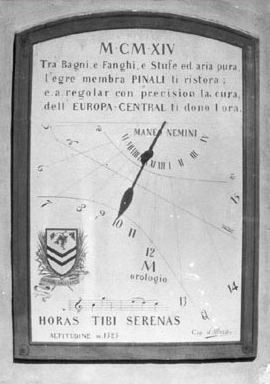
Sundial in Vinadio (CN)

Headquarters:
Municipality of Genoa - Palazzo Tursi
Via Garibaldi 9 - 16124 Genoa
C.F / VAT 00856920102
Follow us on Facebook
Follow us on Instagram