Click here to view image
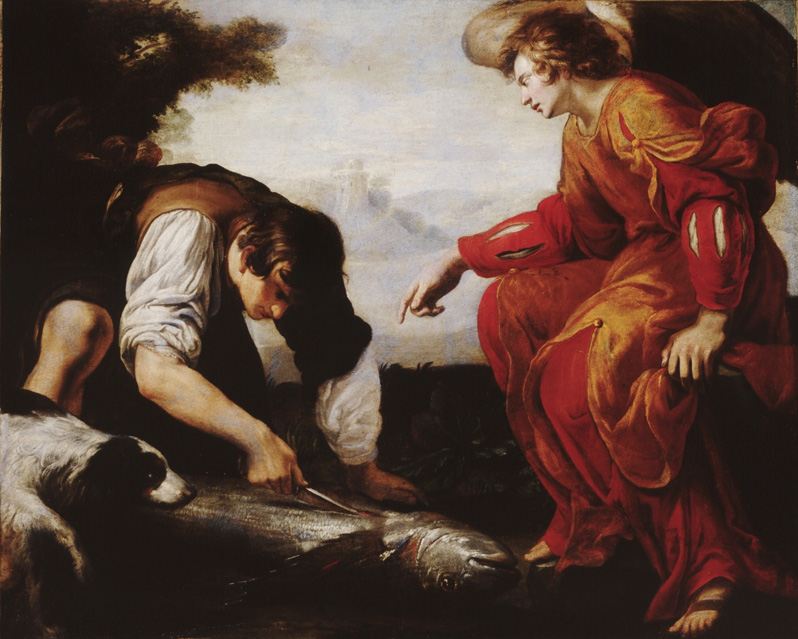
La pesca di Tobia
E. L. Peirano 1926 - legato
Carlone, Giovanni Battista
PB 1968
olio su tela
El Esplendor de Génova - Bilbao - 2003
Click here to view image
La pesca di Tobia
E. L. Peirano 1926 - legato
Carlone, Giovanni Battista
PB 1968
olio su tela
El Esplendor de Génova - Bilbao - 2003
Click here to view image
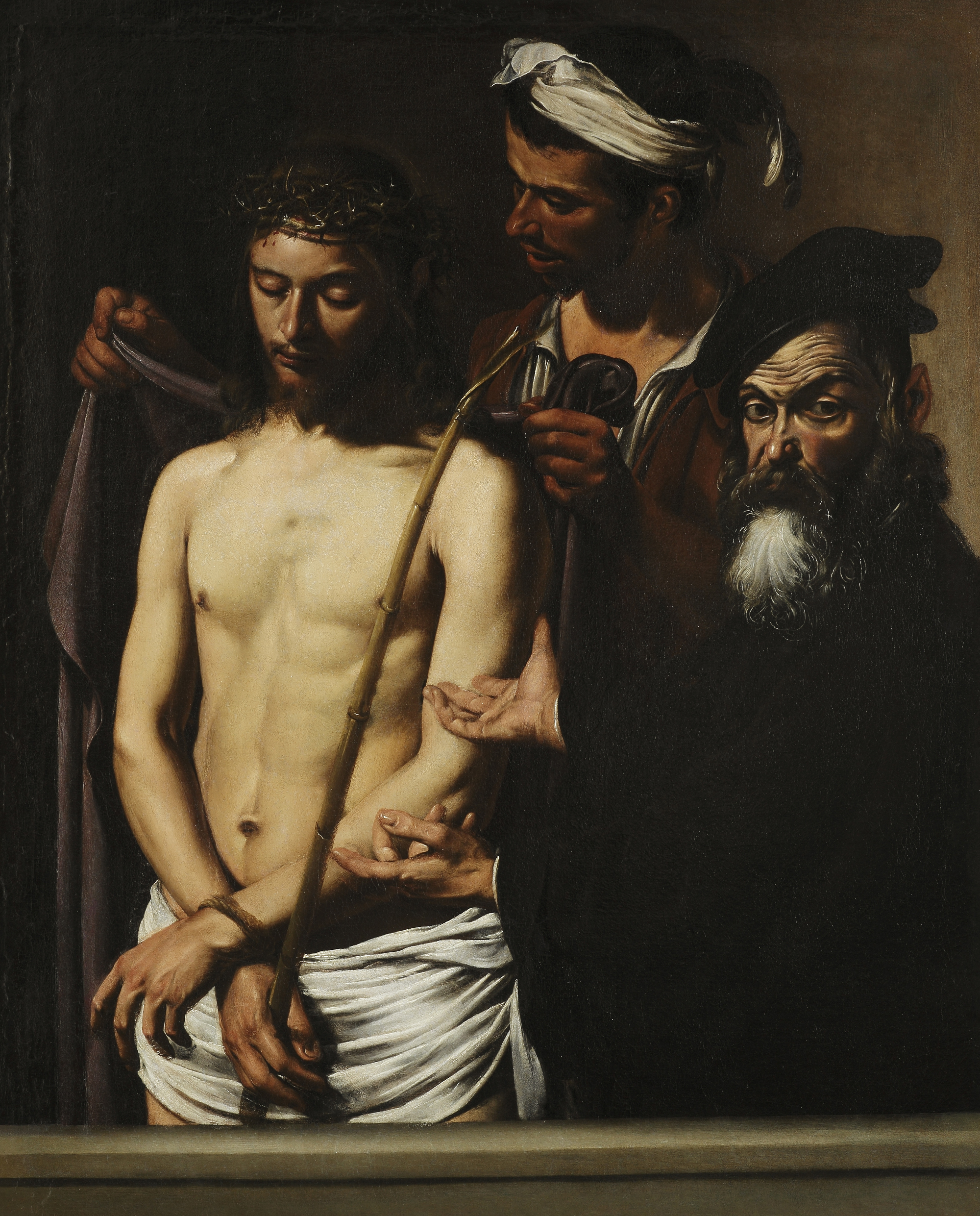
Ecce Homo
1908 ? Genova - acquisto
Caravaggio, Merisi Michelangelo
painting
1605 - 1605 - XVII
PB 1638
Unità di misura: cm; Altezza: 128; Larghezza: 103
olio su tela
Caravaggio e i Genovesi - Committenti, collezionisti, pittori - Genova, Palazzo della Meridiana - 14/02/2019 - 24/06/2019
Caravage à Rome. Amis et ennemis - Parigi, Musée Jacquemart-André - 21/09/2018 - 28/01/2019
Unescosites / Italian Heritage and Arts - Taormina, Palazzo Corvaja - 07/05/2017 - 31/07/2017
CARAVAGGIO and His Time Friends, Rivals and Enemies - Tokio, The National Museum of Western Art - 01/03/2016 - 12/06/2016
Two Centuries of Italian Masterpieces. Caravaggio to Canaletto - Budapest, Museo di Belle Art di Budapest - 25/10/2013 - 16/02/2014
Bodies and Shadows: Caravaggio and His Legacy - Los Angeles, LACMA - 11/11/2012 - 10/02/2013
Corps et Ombres: Caravage et le caravagisme européen - Montpellier, Musée Fabre - 22/06/2012 - 14/10/2012
Caravaggio: Behold the Man - Ohio, Columbus Museum of Art - 21/10/2011 - 05/02/2012
La Fuga - Genova - 2010
Caravaggio - Barcellona - 2005
Van Dyck a Genova. Grande pittura e collezionismo - Genova - 1997
Domenico Fetti - Mantova - 1996
Caravaggio - Firenze - 1992
Genova nell'età barocca - Genova - 1992
Michelangelo Merisi da Caravaggio. Come nascono i capolavori - Firenze - 1991
Caravaggio e il suo tempo - Napoli - 1985
Click here to view image
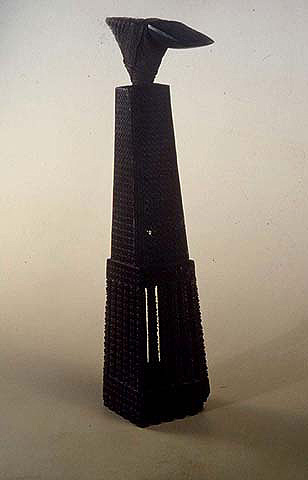
Ritual axe
Enrico A. D'Albertis 1932
Mangaïa, Cook Islands, second half of the 19th century
XIX - 1891 - 1900
C.D.A.1096
Tipo di misura: altezzaxlarghezzaxspessore; Unità di misura: cm; Valore: 41x17x9
Isole Cook
Coconut fibres
Insegna simbolica di rango. La lama di basalto era usata manualmente per uccidere le vittime sacrificali del dio Rongo. Le asce rituali erano considerate un simbolo di divinità e atte a captare e conservare il potere dei nemici uccisi e delle divinità stesse. A fine Ottocento vennero realizzate a fini di lucro. Cerimonie.
Click here to view image
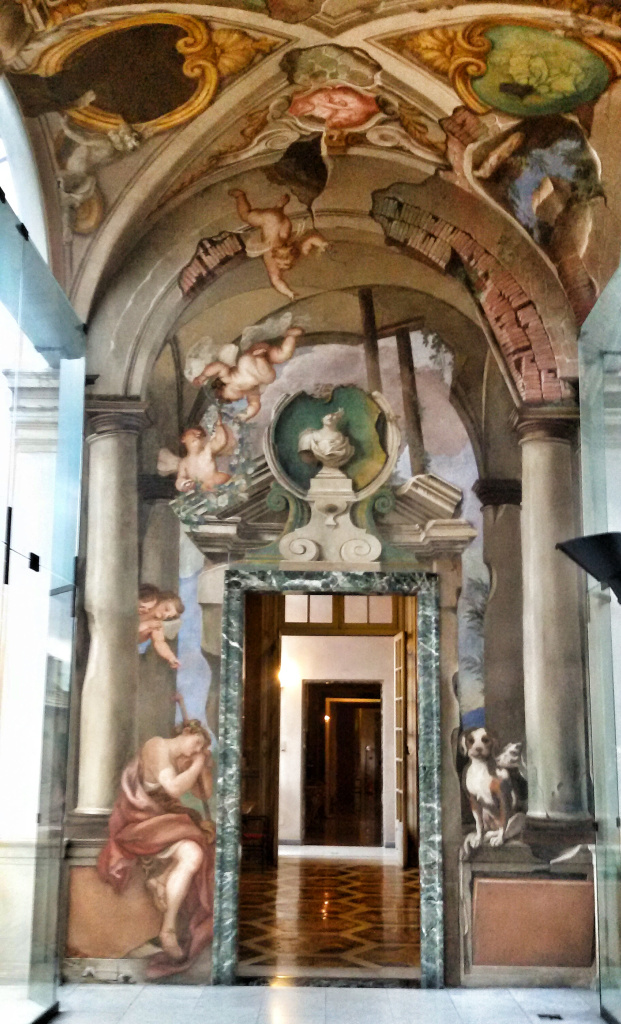
Nicolò Codazzi (Napoli, 1642 - Genova, 1693)
affresco
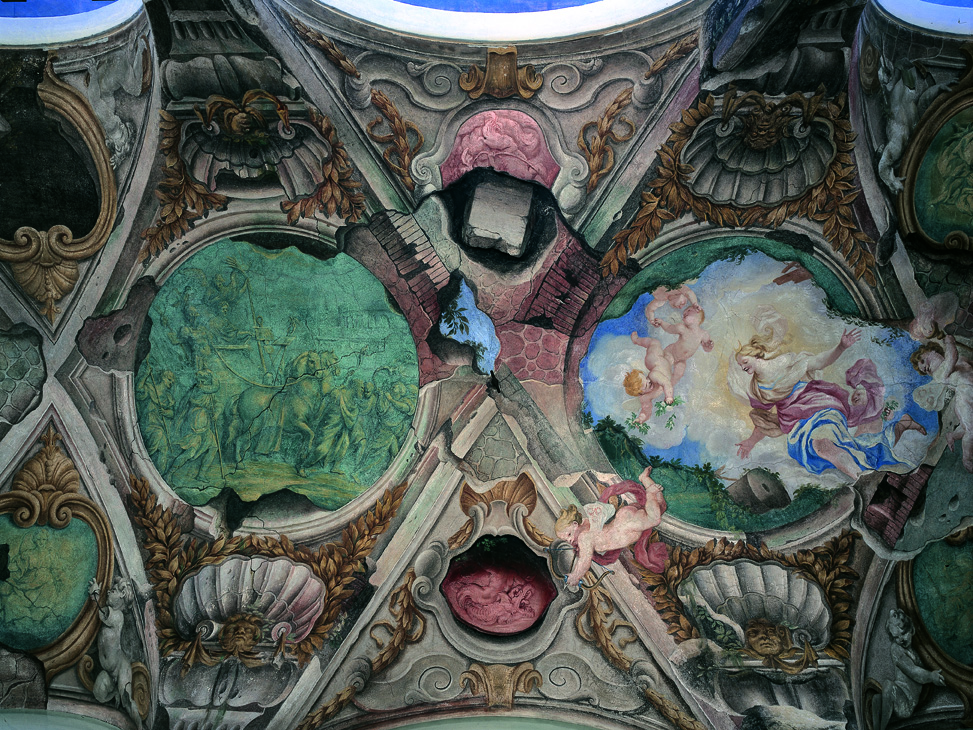
Nel 1689 il pittore di quadratura Nicolò Codazzi, figlio del più famoso Viviano Codazzi, paesaggista e prospettico di origine lombarda, viene pagato per le architetture dipinte a fresco nella loggia sud del secondo piano nobile di Palazzo Rosso: in questo ambiente le parti di figura, che raccontano il mito di Diana-Luna e del suo amore per il bellissimo Endimione, spettano al genovese Paolo Gerolamo Piola, figlio di Domenico, allora ventitreenne e per questo motivo non presente come voce autonoma nei conti delle spese di cantiere. L’intero progetto decorativo della dimora era in quegli anni diretto proprio da Domenico Piola e anche Codazzi figurava già tra i collaboratori di quest’ultimo per la realizzazione delle “muraglie” – ossia le architetture a trompe l’oeil delle pareti – nella sala dell’Inverno.
Lo spazio della loggia è fantasiosamente trasformato – dalla capacità di mimesis dell’affresco barocco – in un palazzo diroccato, dove elementi architettonici in rovina, intonaci crollati e arcate dirute con mattoni in aggetto sono finti in pittura o concretamente simulati in rilievo grazie a inserti in stucco: in questo scenario di pura illusione è ambientata la favola d’amore della dea della Luna che, secondo il mito, sarebbe scesa ogni notte protetta dalle tenebre a baciare il suo amato pastore Endimione, reso immortale da Giove ma condannato a un sonno eterno.
Questa sala era stata in origine concepita come “galleria” chiusa e aveva arcate più basse, ornate da lunette affrescate e finestre dai decori rocaille; l’aspetto di loggia aperta sulla città che ha oggi questo ambiente, dal quale si gode un bellissimo panorama sul centro medioevale e sul mare, data infatti al restauro degli anni cinquanta del secolo scorso, quando si ritenne erroneamente non autentico, in un palazzo del Seicento, un ambiente il cui gusto anticipava già così manifestamente il Settecento.
La favola di Diana-Luna viene a corrispondere – spazialmente e simbolicamente – a quella di Apollo-Sole del salone centrale, inserendosi nel generale progetto di cosmologia celebrativa della casata Brignole - Sale; l’invenzione dell’architettura in rovina, invece, può essere credibilmente messa in rapporto con il ricordo dell’aspetto che Genova dovette avere dopo il tragico bombardamento da parte della flotta francese nel 1684, quando la città, cannoneggiata per undici giorni, rimase ferma nel proposito di difendere a tutti i costi la propria libertà.
Click here to view image
Nicolò Codazzi (Napoli, 1642 - Genova, 1693)
Click here to view image
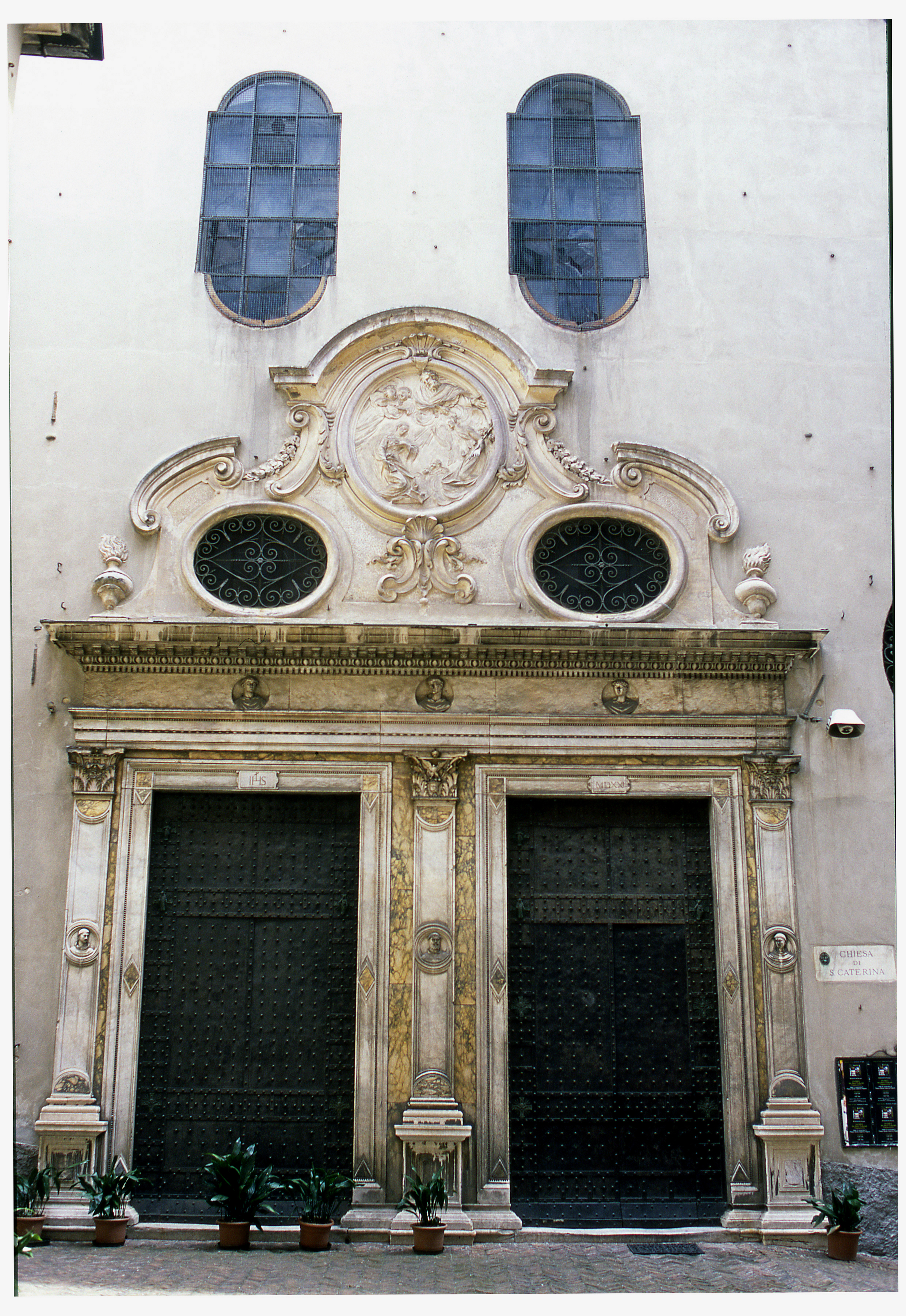
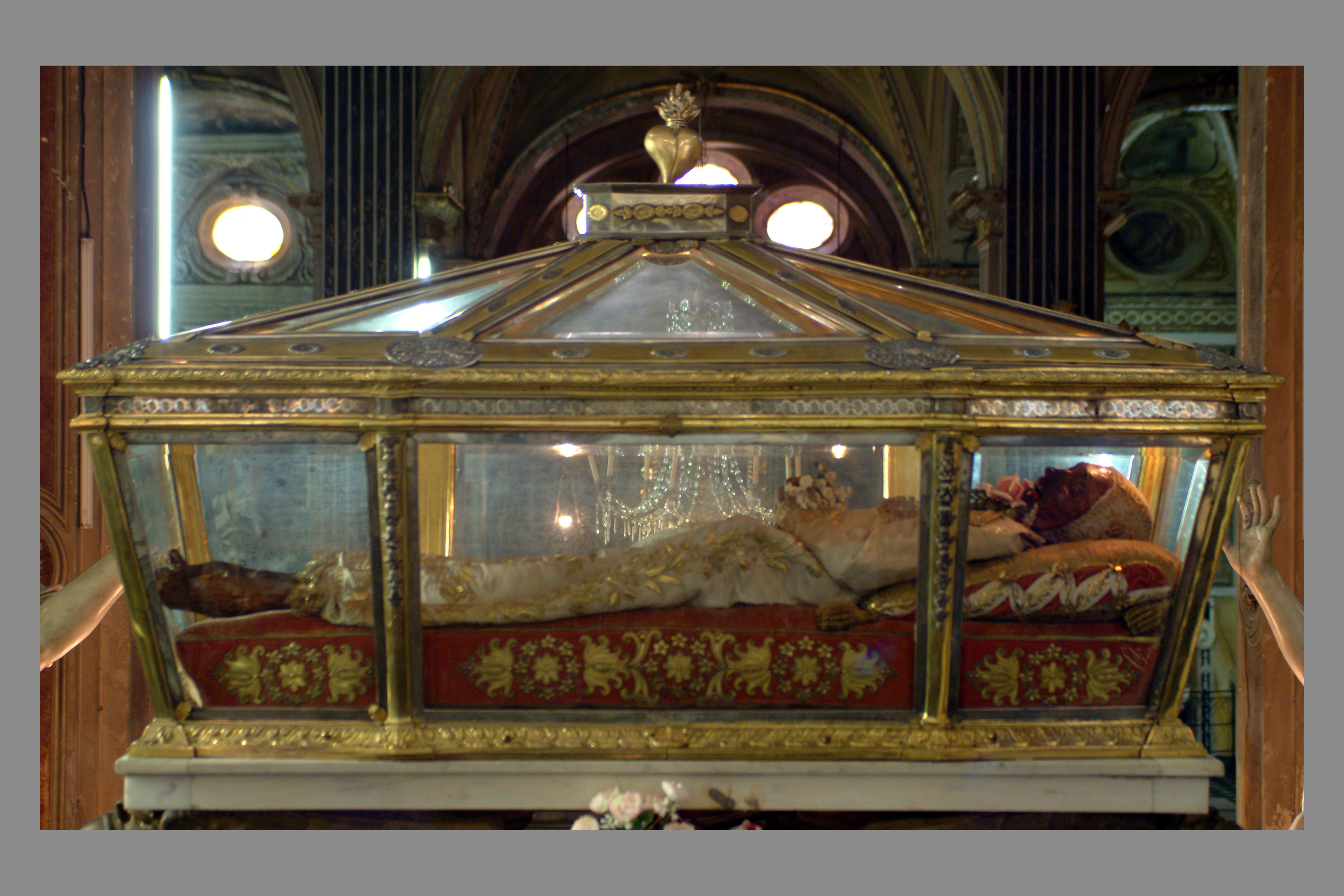
Museo dei Capuccini - Chiesa di Santa Caterina da Genova
Click here to view image
Museo dei Capuccini - Chiesa di Santa Caterina da Genova
Click here to view image
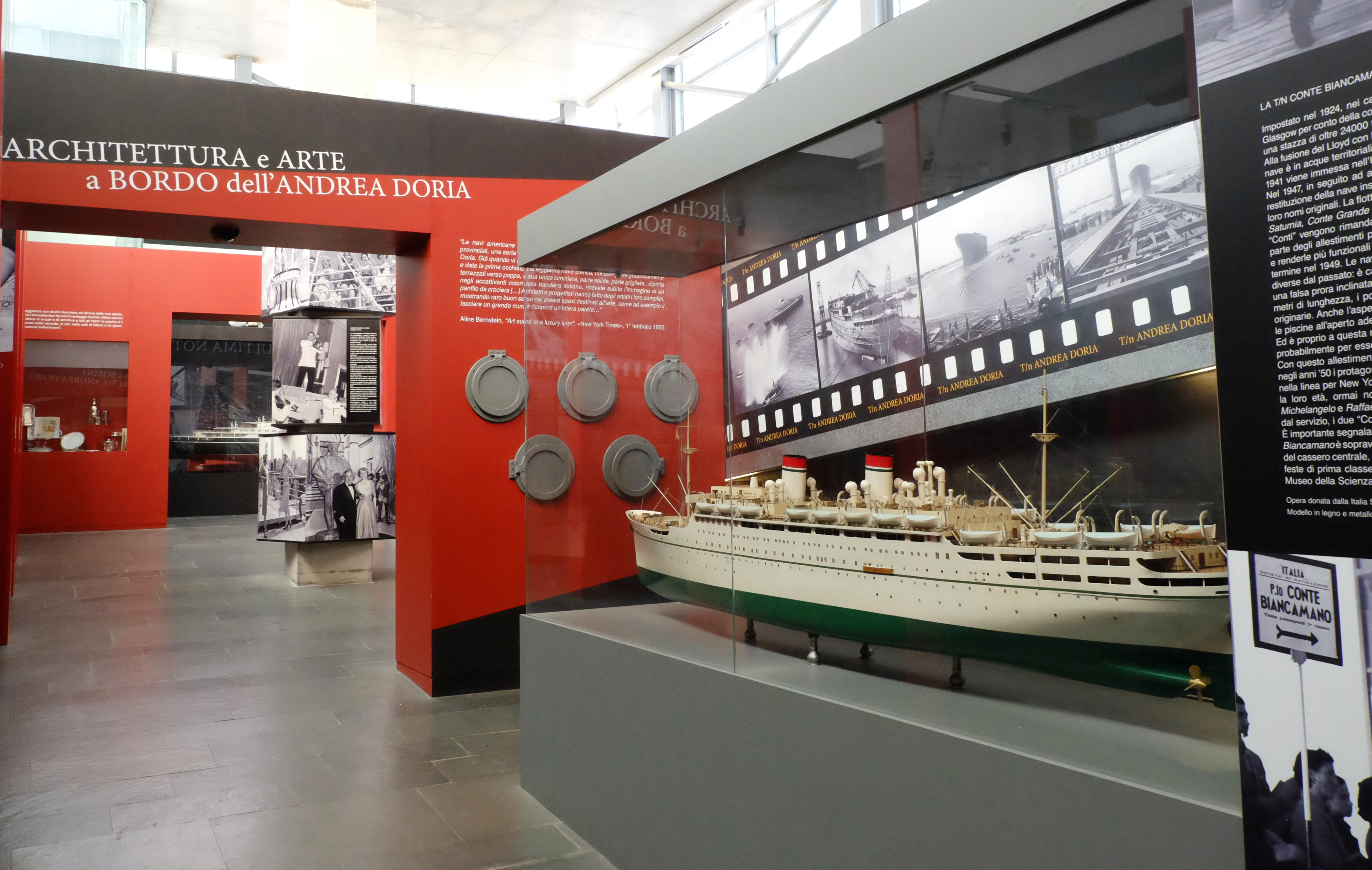
The Turboship "Andrea Doria"
Museum section
The exhibition is dedicated to the “Turbonave” Andrea Doria, its construction, its history, the shipwreck of July 26, 1956 and the discussion that followed on the responsibilities of the collision. Through reconstructions of the ship's environments and a part of the promenade deck (inclined at 30°), visitors are able to follow the escape routes that passengers and crew had to take to escape the tragedy. The exhibit includes stories, photos and interviews and a suggestive reconstruction of the dynamics of the accident that caused the shipwreck.
The Historical Archive of the Municipality of Genoa, based in Palazzo Ducale, preserves the documents relating to the administration of the city between the 15th and mid-20th centuries and holds a collection of manuscripts dating to the 14th–19th centuries.
The archive houses the permanent exhibition titled Amole, libbre, cannelle, dedicated to the historical collection of weights and units of measurement which were used in the city before the final introduction of the metric system in 1805.
The oldest part of the collection is made up of the funds of the Magistracies responsible under the Republic of Genoa for the administration and provision of the city: the Fathers of the Municipality, the Censors, the Abundance and the Provisori del vino.
Furthermore, a collection of manuscripts relating to the history of Genoa (XV-XVIII), the documents of the Capitanato di Voltri (XVI-XVIII), a curious collection of autographs (XVI-XX), the archives of the Municipalities annexed to Genoa in 1926, the archives of the Brignole Sale and De Ferrari families.
CONTACTS
tel. 010 5574808
fax 010 5574723
archiviostorico@comune.genova.it
OPENING HOURS
Archival Archives Consultation
From Tuesday to Thursday: 9:00 AM – 1:00 PM
Wednesday: 9:00 AM – 1:00 PM / 2:30 PM – 5:00 PM
Exhibitions
Tuesday and Thursday 9 a.m. - 1 p.m.
Wednesday 9 a.m. - 1 p.m. and 2 p.m. - 4 p.m.
WEATHER WARNING
In case of weather warning "RED" the Historical Archive will be closed to the public and all events will be cancelled.
The museum will also be closed in the event of Level 3 Heatwaves – Red Alert.

Accessible.
Free admission by reservation.
The Documentation Center for History, Art and Image (DOCSAI) is not widely known, but it is a place where visitors can discover and examine the history of our city and region through thousands of images and books (both modern and precious antique modern volumes).
It is a public place of cultural interest which includes: the Topographic and Cartographic Collection, the Photographic Archive and the Art History Library of the Municipality of Genoa.
It is open to the public by appointment to offer more focused consultations or guided tour. It is located in Palazzo Rosso Annexes. The access to the building is located in Via ai Quattro Canti di san Francesco, where a typically late-medieval entrance and an exceptional wooden coffered ceiling of the mid-fifteenth century, with its original polychrome painting decoration, will receive the visitors who enter the Art History Library, the most important of Liguria.
On the upper floor there are the Topographic and Cartographic Collections: 8.000 images, including prints, watercolors, paintings and projects. In the end, the Photographic Archive includes more than 220.000 images representing the artistic, economic and social life in Genoa from the second half of the nineteenth century to the '60s.
To understand the vastness and heterogeneity of the works preserved at the Documentation Center for History, Art and the Image of Genoa, it is enough to select a few particularly important pieces from those of the Topographical Collection and the DocSAI Photographic Archive .
For example, there are watercolours offering views of the city or designs for an imagined metropolis that was never realized. And, of course, no shortage of scenes from everyday life, rare testimony of how customs in Liguria have changed in the last century as well as many photographs that depict places that have now disappeared or have undergone radical changes.
CONTACTS
centrodocumentazione@comune.genova.it
Library
tel. 010 5574956/58
Tuesday, Wednesday and Thursday 9 a.m. - 4 p.m.
Cartographic and Topographic Collections
tel. 010 5574961/59/57
By appointment Tuesday, Wednesday and Thursday: 9 a.m. - 4.30 p.m. ; Friday: 9 a.m. - 2 p.m.
Photographic Archive
tel. 010 5574963
By appointment Tuesday, Wednesday and Thursday: 9 a.m. - 4.30 p.m. ; Friday: 9 a.m. - 2 p.m.
In case of weather warning "RED" the structure will be closed to the public.
|
|
Accessibility for wheelchair users
The DocSai is accessible both from the entrance of Palazzo Rosso (via Garibaldi 18) and from vico san Pasquale.
It is advisable that the visitor telephones to notify of his arrival (tel. 0105574957/56/62 - mobile 3664648206).
The staff will accompany the visitor to the entrance that is accessible by wheelchair and up to the inside of the DocSAI.
The center is located on three floors, connected by an elevator.
Consultation of the Photographic Archive and the Topographic and Cartographic Collection is free, by appointment.
Access to the Art History Library is free and open during opening hours.

Headquarters:
Municipality of Genoa - Palazzo Tursi
Via Garibaldi 9 - 16124 Genoa
C.F / VAT 00856920102